Was Ole Anderson Racist? Looking Back At His Illustrious Career
By Emily Phillips

Was Ole Anderson Racist? Looking Back At His Illustrious Career
February 27, 2026
This article was last updated by Suyash Shrestha on February 27, 2026
Although he was one of the most renowned professional wrestling figures in history, Ole Anderson and his career was filled with controversies, with many accusing him of being racist.
Ole had the reputation of being the most divisive and polarizing personality in the wrestling business.
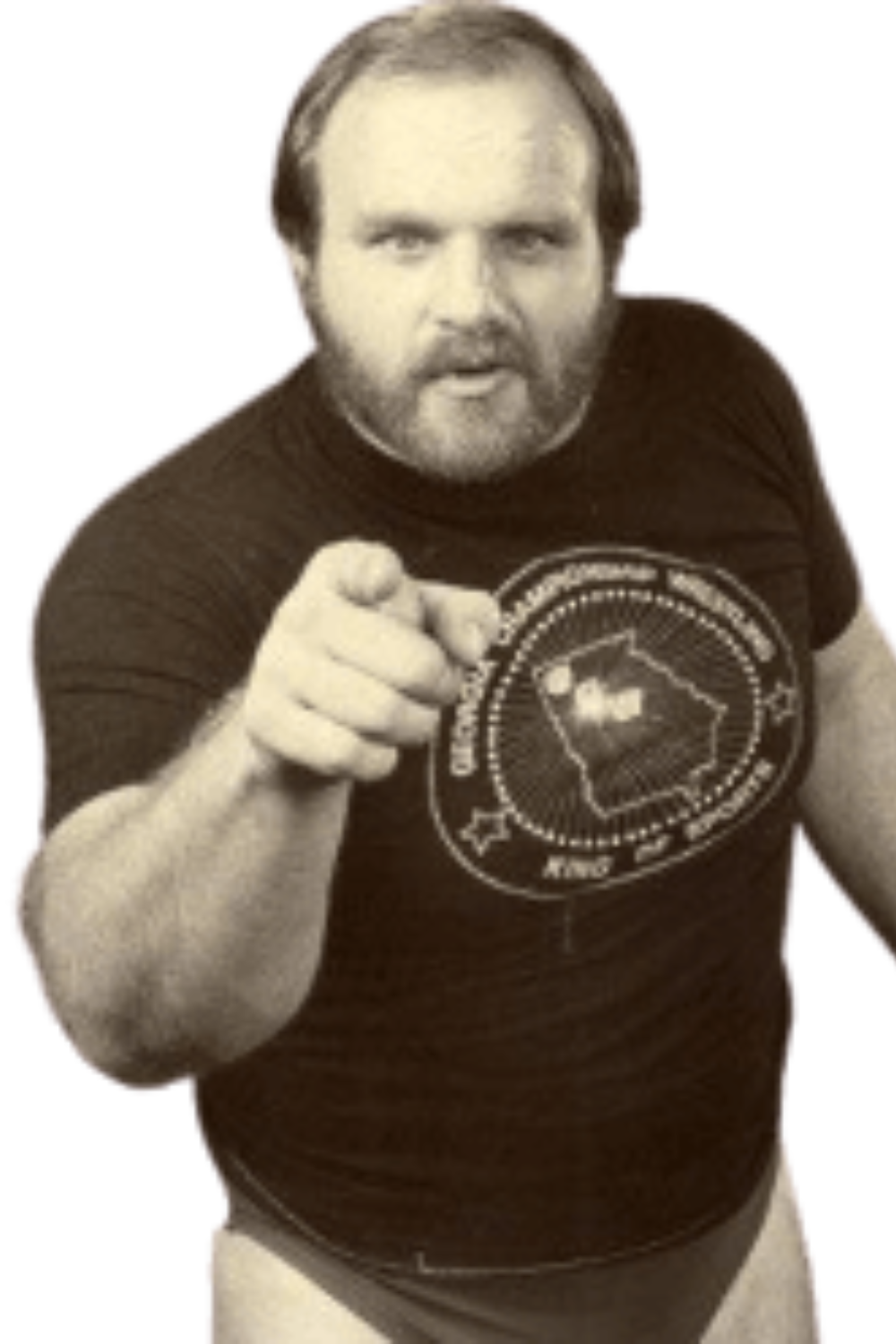 Former American Wrestler Ole Anderson (Source: The SmackDown Hotel)
Ole Anderson was an , manager, and promoter. He is one of the most polarizing figures in the wrestling industry.
A founding member of the Four Horsemen, he had a long and illustrious career in the wrestling business. He passed away in February 2026.
Was Ole Anderson Racist?
The legendary wrestler was a controversial personality, with many people in the wrestling industry accusing him of being racist.
In the second half of his career, he held backstage roles with fluctuating authority for an extended period and gained prominence for overseeing the booking of WCW in the early 1990s.
Over the years, Anderson became known for his divisive image due to his stern demeanor and alleged lack of regard for esteemed talents.
Subsequently, numerous wrestlers have expressed their complaints about him. In an interview with Hannibal TV, Tito Santana and derogatory comments.
Santana mentioned that, at the time, he felt unable to confront Anderson, but it is evident that he retained a strong sense of disrespect from the experience.
Similarly, Rocky Johnson, a former professional wrestler, has also accused Anderson of favoritism and racial abuse.
During an interview on the WINCLY podcast with Wrestling Inc., Johnson was questioned about whether individuals like Anderson, who are perceived as abusive, were commonplace in the past or stood out as an exception in terms of racism within the wrestling industry.
“That was him. He was the biggest racist in the wrestling business. He would let you know. He didn’t like me and I didn’t like him. He called me names and I called him names but he never threw any punches. He was not a well-liked person in this business.”
Ole Anderson came from a time when wrestling was not politically correct, and favoritism and racism against African-American performers were rampant. Consequently, he has been accused by many renowned wrestlers of his racist behavior.
He Had A Distinct Wrestling Career
Ole Anderson embarked on his wrestling career in the 1960s. He initially gained recognition as a tag team wrestler, forming successful partnerships with Gene Anderson and Lars Anderson.
The trio, known as “The Minnesota Wrecking Crew,” achieved considerable success in various territories.
In the 1980s, he transitioned into a backstage role, notably joining Jim Crockett Promotions as a booker.
One of the highlights of his career was his association with the legendary Four Horsemen stable. The Four Horsemen, led by Ric Flair, included Ole Anderson, Arn Anderson, Tully Blanchard, and Barry Windham at different times. The stable played a crucial role in the success of WCW during the 1980s.
 Ole Anderson Was A Founding Member Of The Four Horsemen (Source: Post Wrestling)
Subsequently, his influence in shaping storylines and deciding match outcomes earned him a significant role in the wrestling business.
Following this, his tenure with WCW in the early 1990s saw him take charge of booking, but his management style garnered mixed reviews, with accusations of disrespectful behavior towards talent.
Overall, Ole Anderson’s career is a complex tale of in-ring success, behind-the-scenes influence, and controversies that have left a lasting mark on the wrestling community.
- Check other Articles on
Suyog Tiwari
Suyog Tiwari has a natural talent for deciphering the compelling stories that take place in the sports world. Readers may gain a deeper understanding of the athletes and events that create the athletic landscape by reading his writings, which offer a compelling blend of astute analysis, entertaining storytelling, and cultural commentary.
Expertise:
Sports History Culture Analysis
Highlights
- Suyog reviews notable works of sports literature, from biographies and memoirs to novels and essays.
- He delves into the philosophical dimensions of sports, examining concepts such as sportsmanship and competition.
Experience
With a background in writing and a profound appreciation for sports as a cultural phenomenon, Suyog approaches each article with a blend of intellectual curiosity, historical perspective, and narrative flair.
Related articles
May 15, 2026
May 15, 2026
May 14, 2026
May 14, 2026
Comments
LEAVE A REPLY
Comment: Please enter your comment! Name:* Please enter your name here Email:* You have entered an incorrect email address! Please enter your email address here
Δ
This site uses Akismet to reduce spam.
Share article
- May 15, 2026 Jerry Lee Singleton, a 1974 graduate of DeKalb High School, where he was a standout athlete, has passed away at 70. Singleton was born on...
- May 15, 2026 Residents living along Blackwell Road in Huthwaite are calling for urgent action after a group of children was repeatedly caught kicking front doors and...
- May 14, 2026 Howard Paul Sr., a graduate of Black River High School, tragically passed away. Paul was born on September 15, 1951, to his father, Arthur, and...
- May 14, 2026 A disturbing act of violence at Steven's Park in Allentown has left residents shaken and demanding answers after a witness took to social media...
- May 13, 2026 Residents of Biggleswade, Bedfordshire, are raising serious concerns after a series of violent incidents involving a group of young boys who have been targeting...